The Future of Remote Work Embracing AI and Automation in a Hybrid Workplace
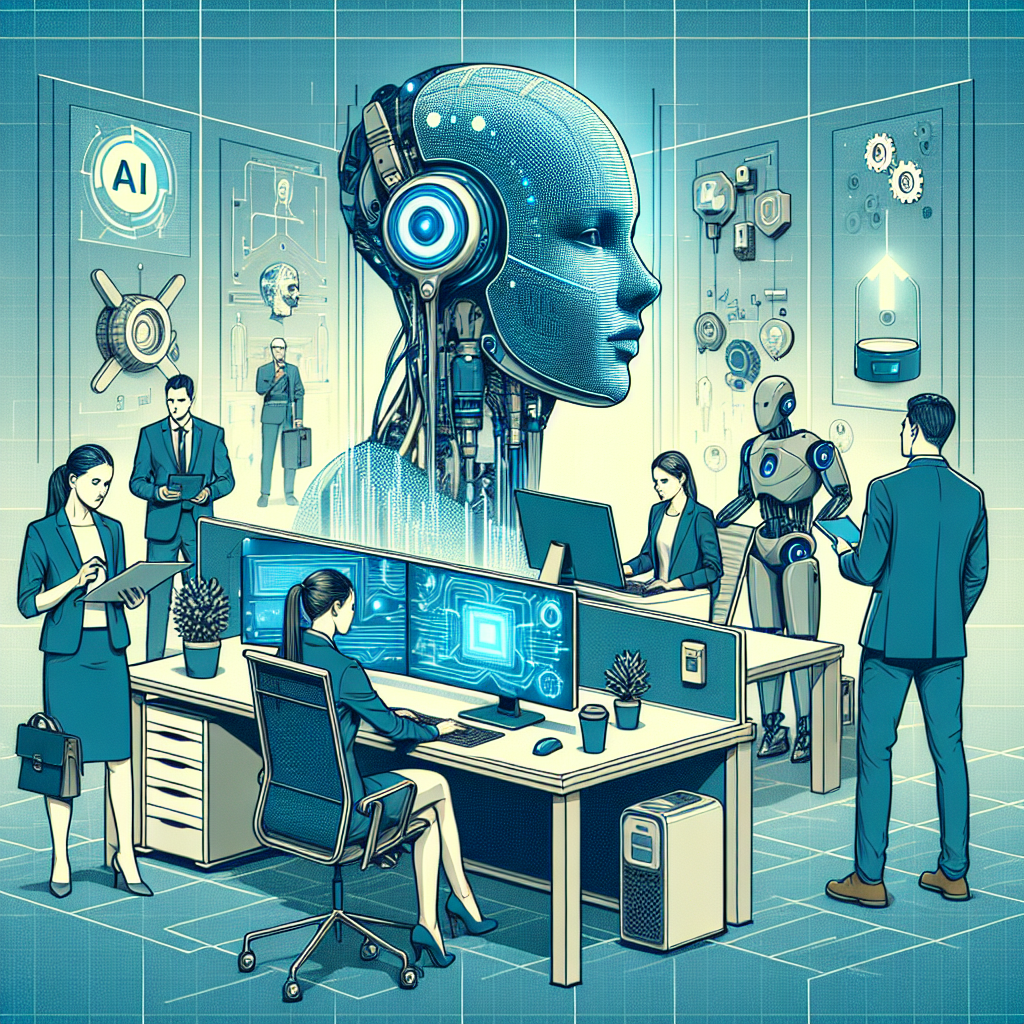
The Future of Remote Work: Embracing AI and Automation in a Hybrid Workplace
As we navigate the complexities of the modern workplace, one thing becomes clear: remote work is here to stay. The global pandemic accelerated a shift that was already underway, leading to the rise of hybrid work environments where employees split their time between home and the office. But what does the future hold for this new way of working? Enter artificial intelligence (AI) and automation—two powerful forces that are set to redefine how we work, collaborate, and succeed in a hybrid world.
The Hybrid Workplace: A New Normal
The hybrid workplace model offers flexibility, allowing organizations to adapt to diverse employee needs. According to a report from McKinsey & Company, 58% of employees say they would prefer to work remotely at least three days a week. This preference highlights a significant shift in employee expectations and workplace dynamics.
However, managing a hybrid workforce comes with its own set of challenges. Companies must ensure communication flows seamlessly between in-office and remote employees, maintain productivity, and foster a sense of belonging among teams. This is where AI and automation come into play, providing innovative solutions to these challenges.
AI: Enhancing Communication and Collaboration
AI tools are revolutionizing how teams communicate and collaborate. For instance, AI-driven platforms like Slack and Microsoft Teams have integrated smart features that enhance productivity. These tools can prioritize messages, summarize discussions, and even schedule meetings based on participants’ availability. In fact, a study by Gartner predicts that by 2025, 75% of organizations will be using AI to enhance employee engagement and productivity.
Personalized Work Experiences
AI can also help create personalized work experiences tailored to individual employee needs. Using data analytics, companies can understand employees' work habits, preferences, and pain points, enabling them to offer customized tools and resources. For example, AI can recommend learning and development opportunities based on an employee's career trajectory, helping them grow while aligning with organizational goals.
Automation: Streamlining Processes
Automation is another critical component of the future hybrid workplace. By automating routine tasks, organizations can free up employees to focus on more strategic work. A report by McKinsey estimates that up to 45% of work activities could be automated using existing technology, which would significantly boost productivity.
Automated Project Management
In project management, automation tools can track progress, assign tasks, and even generate status reports with minimal human intervention. Platforms like Asana and Trello, with integrated automation features, help teams stay organized and ensure accountability. This not only reduces the administrative burden on team leaders but also enhances transparency across hybrid teams.
Challenges and Considerations
While the benefits of AI and automation are compelling, organizations must also be mindful of the challenges they bring. The integration of these technologies requires careful planning, training, and ongoing support. Employees may feel overwhelmed by new tools and systems, leading to resistance rather than acceptance.
Addressing Employee Concerns
To successfully integrate AI and automation in a hybrid workplace, companies should prioritize employee training and communication. Offering workshops and resources that demystify these technologies can empower employees and alleviate fears about job displacement. Additionally, involving teams in the decision-making process regarding which tools to adopt can foster a sense of ownership and acceptance.
Looking Ahead: Creating a Future-Proof Hybrid Workplace
The future of remote work lies in a delicate balance between technology and the human touch. As we embrace AI and automation, organizations must not lose sight of the importance of human connection and collaboration. Building a hybrid workplace that thrives on technology while nurturing a strong company culture will be key to success.
Moreover, organizations should stay agile, continuously assessing and adapting their strategies to meet the evolving needs of their workforce. This includes regular reviews of technology usage, feedback from employees, and staying informed about emerging trends in the world of work.
Conclusion: Actionable Takeaways
The hybrid workplace is not just a trend; it is the future of work. By embracing AI and automation, organizations can enhance communication, streamline processes, and ultimately create a more engaged and productive workforce. Here are some actionable takeaways:
- Invest in AI tools that facilitate communication and collaboration across hybrid teams.
- Automate routine tasks to free up time for strategic initiatives.
- Provide training and resources to help employees navigate new technologies.
- Involve employees in the selection process for new tools to ensure buy-in.
- Continuously assess and adapt your hybrid work strategy to meet employee needs.
As we move forward, let’s not just adapt to the changes but embrace them, leveraging the full potential of AI and automation to create a thriving hybrid workplace.