The Future of Startups How AI and Automation Will Shape Entrepreneurship in the Next Decade
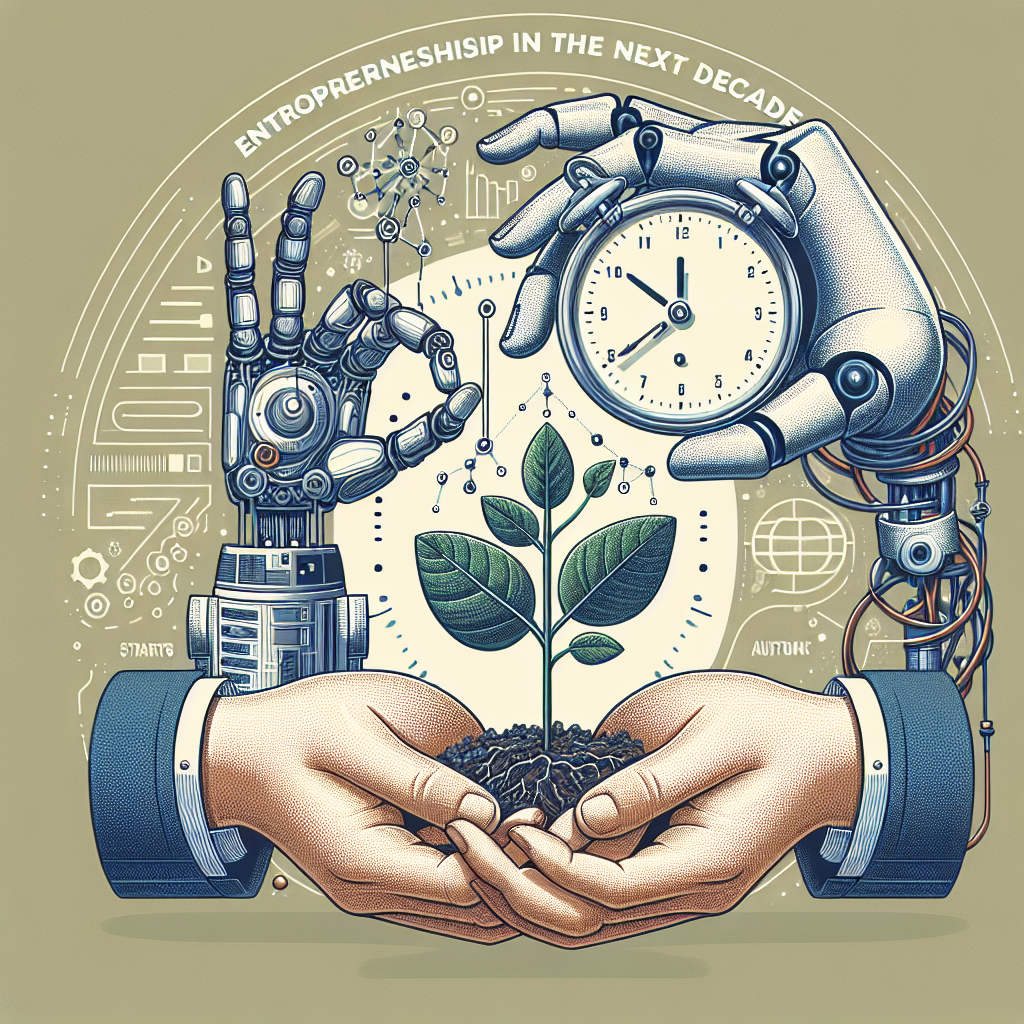
The Future of Startups: How AI and Automation Will Shape Entrepreneurship in the Next Decade
The entrepreneurial landscape is undergoing a seismic shift, driven by advancements in artificial intelligence (AI) and automation. As we look to the next decade, startups are not just leveraging technology—they are being transformed by it. The integration of these cutting-edge tools is reshaping how businesses operate, innovate, and compete in the global marketplace. But what does this mean for entrepreneurs? In this blog post, we’ll explore the future of startups and how AI and automation will redefine the rules of entrepreneurship.
The Rise of AI in Entrepreneurship
AI technology is rapidly becoming an essential component for startups across various industries. According to a report by McKinsey, around 70% of companies will adopt at least one type of AI technology by 2030. This trend indicates that startups can no longer afford to overlook AI if they want to remain competitive.
Data-Driven Decision Making
One of the most significant advantages AI offers is its ability to analyze vast amounts of data in real-time. Startups can utilize AI-powered analytics tools to gain insights into customer behavior, market trends, and operational efficiencies. This data-driven approach allows entrepreneurs to make informed decisions quickly, minimizing risks and maximizing opportunities.
For instance, companies like Stitch Fix use machine learning algorithms to tailor their offerings based on customer preferences, leading to increased customer satisfaction and retention. As AI becomes more accessible, even early-stage startups can harness its power to transform their decision-making processes.
Automation: Streamlining Operations
Automation is another game-changer for startups. By automating repetitive tasks, entrepreneurs can focus on strategic initiatives that drive growth. According to a survey by Deloitte, 58% of organizations reported that automation improved productivity and reduced operational costs.
Enhancing Customer Experience
Startups can leverage automation to enhance customer experience through chatbots, automated emails, and personalized marketing campaigns. For example, companies like Drift use AI-powered chatbots to engage customers instantly, providing them with the information they need without human intervention. This not only improves efficiency but also ensures that customers receive timely responses, enhancing their overall experience.
Moreover, automating processes such as inventory management and order fulfillment can lead to significant cost savings. Startups like Amazon have set the bar high with their automated warehouses, showcasing how technology can create a seamless supply chain that meets customer demands efficiently.
AI-Powered Innovation
Innovation is at the heart of every successful startup, and AI is poised to accelerate this process. With AI tools, entrepreneurs can experiment with new ideas, conduct simulations, and predict market reactions more effectively. A report from the World Economic Forum suggests that AI could create 133 million new roles by 2022, highlighting the technology's potential to fuel innovation and job creation.
Fostering Creativity and Design
AI is not just about efficiency; it can also enhance creativity. For instance, tools like OpenAI's DALL-E allow startups to generate unique visuals based on textual descriptions, revolutionizing the design process. This allows entrepreneurs to visualize concepts and iterate quickly without needing extensive design skills.
Additionally, machine learning algorithms can predict trends, helping entrepreneurs develop products that align with market needs. Companies like Netflix utilize AI to analyze viewer preferences, guiding their content development and ensuring that they remain at the forefront of the entertainment industry.
The Human Element: Balancing Technology and Personal Touch
While AI and automation are transformative, the human element in entrepreneurship remains irreplaceable. Startups must navigate the balance between leveraging technology and maintaining genuine human connections with customers and employees. A study by PwC found that 59% of consumers feel that companies have lost touch with the human element of customer experience, highlighting the importance of personal interaction in an increasingly automated world.
Building Relationships
Successful startups will prioritize building strong relationships, leveraging AI to enhance—not replace—human interaction. For example, AI can assist sales teams by providing them with insights about prospects, allowing for more personalized outreach. This hybrid approach ensures that while technology streamlines processes, the core values of empathy and understanding remain intact.
Moreover, fostering a company culture that values human creativity and intuition will be essential. Startups that embrace this balance will not only thrive but will also cultivate loyal customer bases that appreciate the personal touch.
Conclusion: Embracing Change for a Sustainable Future
The future of startups is undoubtedly intertwined with AI and automation, offering exciting opportunities for innovation, efficiency, and growth. However, for entrepreneurs to thrive in this evolving landscape, they must embrace change and remain adaptable. Here are some actionable takeaways:
- Invest in AI tools that can enhance decision-making and operational efficiency.
- Utilize automation to improve customer experience while maintaining a personal touch.
- Foster a culture of innovation by encouraging experimentation and creativity.
- Balance technology with human interaction to build lasting relationships with customers.
As we move into the next decade, startups that leverage AI and automation will not only survive but will set the standard for what it means to be an entrepreneur in the 21st century. The journey ahead is filled with potential—are you ready to embrace it?